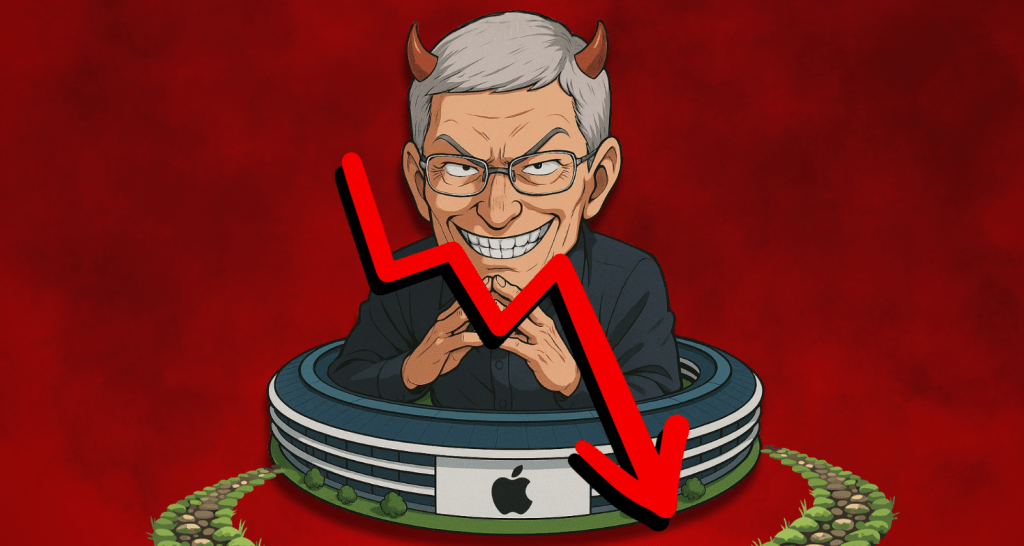
Which industries spend the most on lobbying compared to how much they spend on stock buybacks?
Author: Aleksandar Adzic & Gemini
In modern economics, the relationship between lobbying and stock buybacks reveals a clear “double-down” strategy. Industries face high regulatory risks where the government can hurt their profits. They spend heavily on lobbying to protect those profits. Industries with massive cash flows devote significant resources to buybacks to distribute their cash.
To answer the question directly: Pharmaceuticals and Health Products spend the most on lobbying relative to their size. Meanwhile, Big Tech and Finance dominate the absolute dollar amounts.
Lobbying vs. Buybacks: Sector Leaders (2024-2025)
The table below compares the “Influence Spenders” (Lobbying) with the “Capital Extractors” (Buybacks).
| Industry | Lobbying Intensity (The “Protectors”) | Stock Buyback Intensity (The “Extractors”) |
|---|---|---|
| Pharmaceuticals | Extremely High. Highest per-company spending to protect patent laws and drug pricing. | High. Leading firms often spend 100%+ of profits on buybacks/dividends. |
| Big Tech | Surging. Rapidly increasing to fight antitrust and AI regulation. | Record-Breaking. Apple and Alphabet are the world leaders in total buyback dollars. |
| Finance/Banking | High. Constant lobbying for deregulation and lower capital requirements. | Cyclical. Major banks (JPMorgan, BofA) are currently in a “buyback spree.” |
| Energy (Oil & Gas) | Steady. Focused on subsidies and environmental rollbacks. | High. Used to reward shareholders during periods of high oil prices. |
The “Pharma” Model: Lobbying as a Defensive Wall
The Pharmaceutical industry is the clearest example of lobbying “protecting” the money used for buybacks.
- The Lobbying: In 2024, the industry spent a record $384 million on federal lobbying. This money is targeted at preventing Medicare from negotiating lower drug prices.
- The Buyback: Analysis shows that the top 14 drug-makers spent $56 billion more on buybacks and dividends. This amount exceeds what was spent on Research & Development (R&D) over a recent 5-year period.
- The Ratio: Their lobbying “protects” high-margin drug prices. As a result, every $1 spent on lobbying can yield thousands in “protected” profits. These profits are then funneled into buybacks.
The “Big Tech” Model: Absolute Dominance
Big Tech firms like Meta, Google, and Amazon represent a new phase of this cycle. They have so much cash that they can afford to be the #1 spenders in both categories simultaneously.
- Lobbying: Tech industry lobby spending increased by over 33% between 2023 and 2025. The primary goal was to influence AI safety laws and data privacy.
- Buybacks: Apple alone has authorized over $110 billion in a single buyback program—an amount larger than the entire market value of many S&P 500 companies
The “Finance” Model: Lobbying for Liquidity
Banks lobby specifically for the right to perform buybacks.
- Following the 2008 crash, regulators limited how much cash banks could give to shareholders. This measure ensured they had enough “safety” capital.
- The banking industry lobbies heavily to lower these capital requirements. When they succeed, they immediately trigger massive buybacks (as seen in early 2025). This is effectively lobbying for the permission to shrink the company’s “safety net” to reward executives.
Summary of the Correlation
Industries don’t choose between lobbying or buybacks; they use them as a one-two punch:
- Lobbying ensures the government doesn’t tax their profits, lower their prices, or increase their labor costs.
- Stock Buybacks then take those “protected” profits and turn them into immediate wealth for the CEOs and shareholders.
The Contradiction: As you noted earlier, this cycle is the opposite of the 1965 industrial model. In 1965, a “successful” company would have used that excess cash to build a new wing of the factory. Today, they hire a lobbyist to protect the profit. Then they buy back the stock to harvest it.
 Aleksandar Adzic